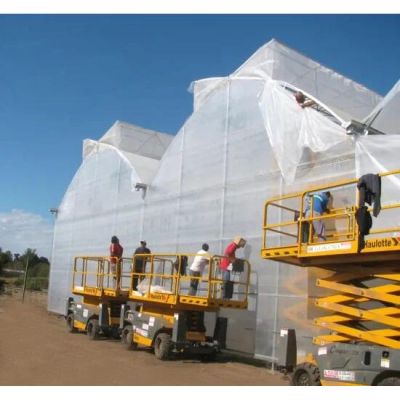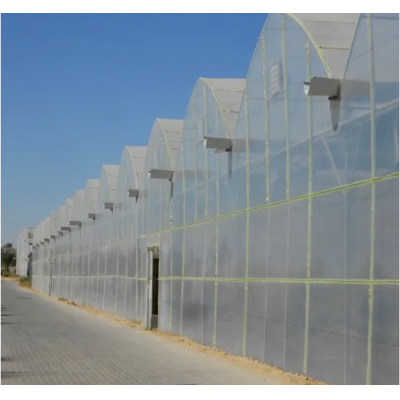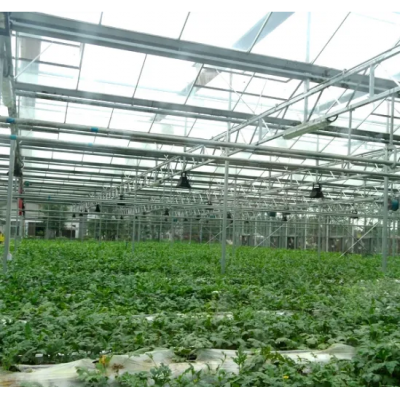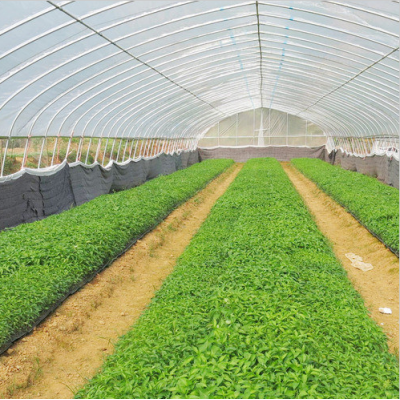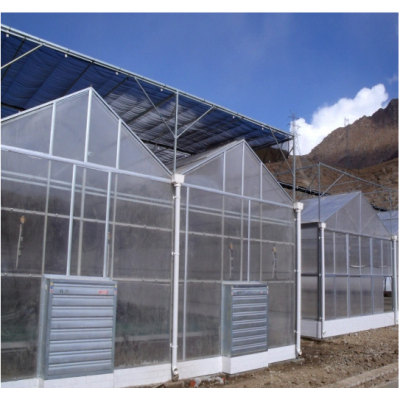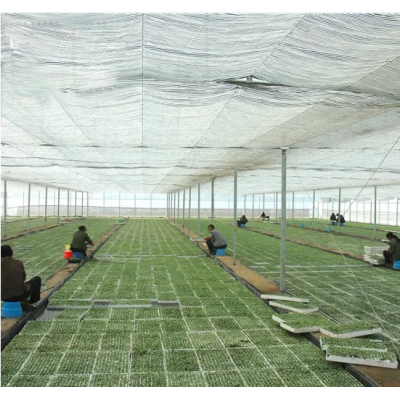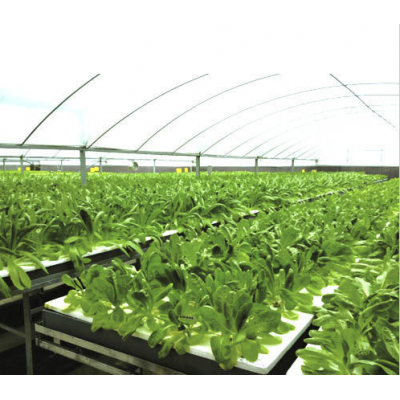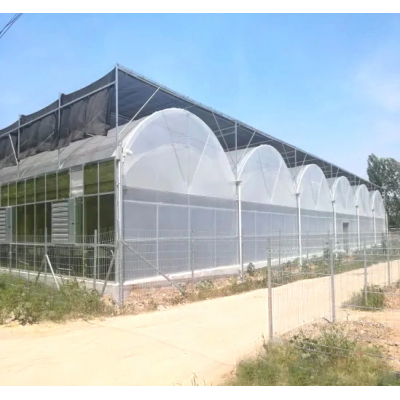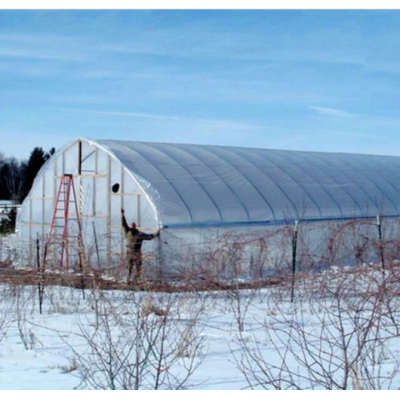
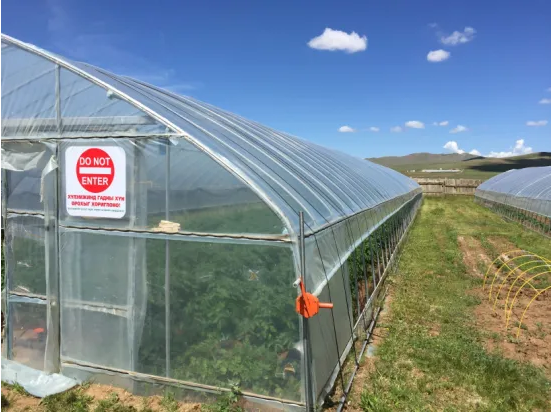
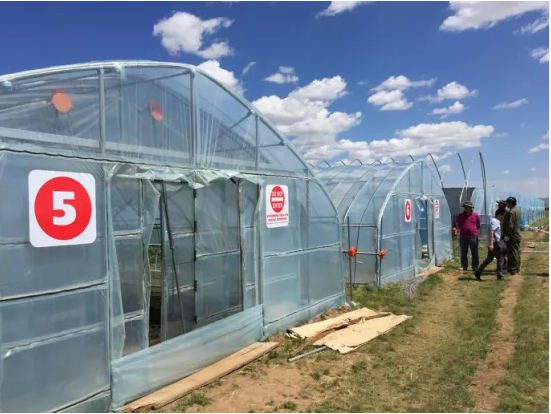
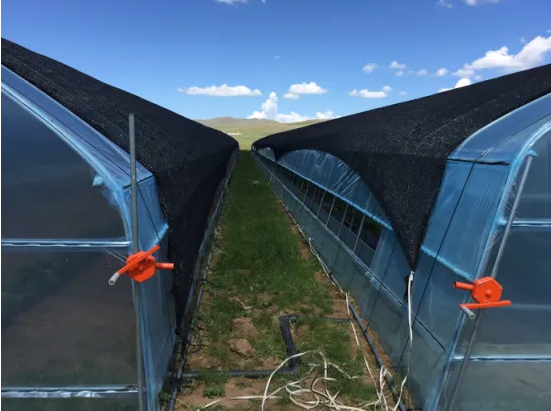
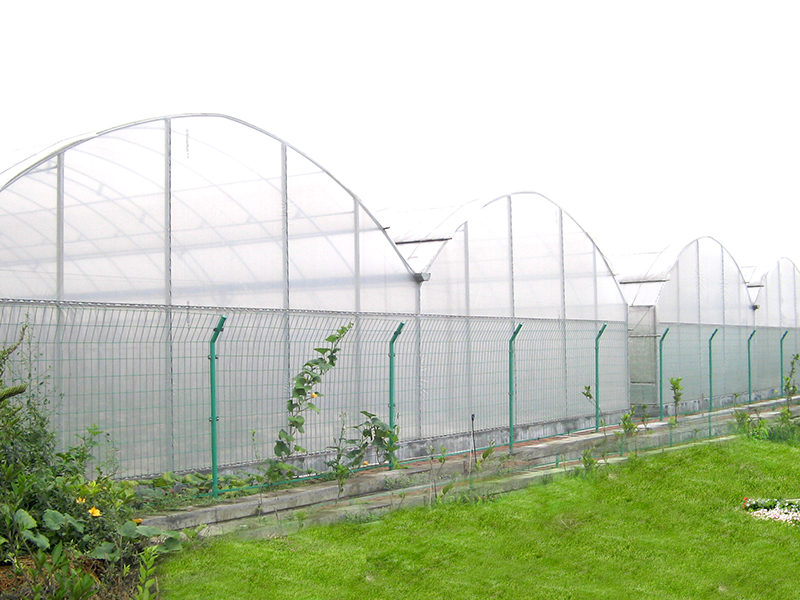
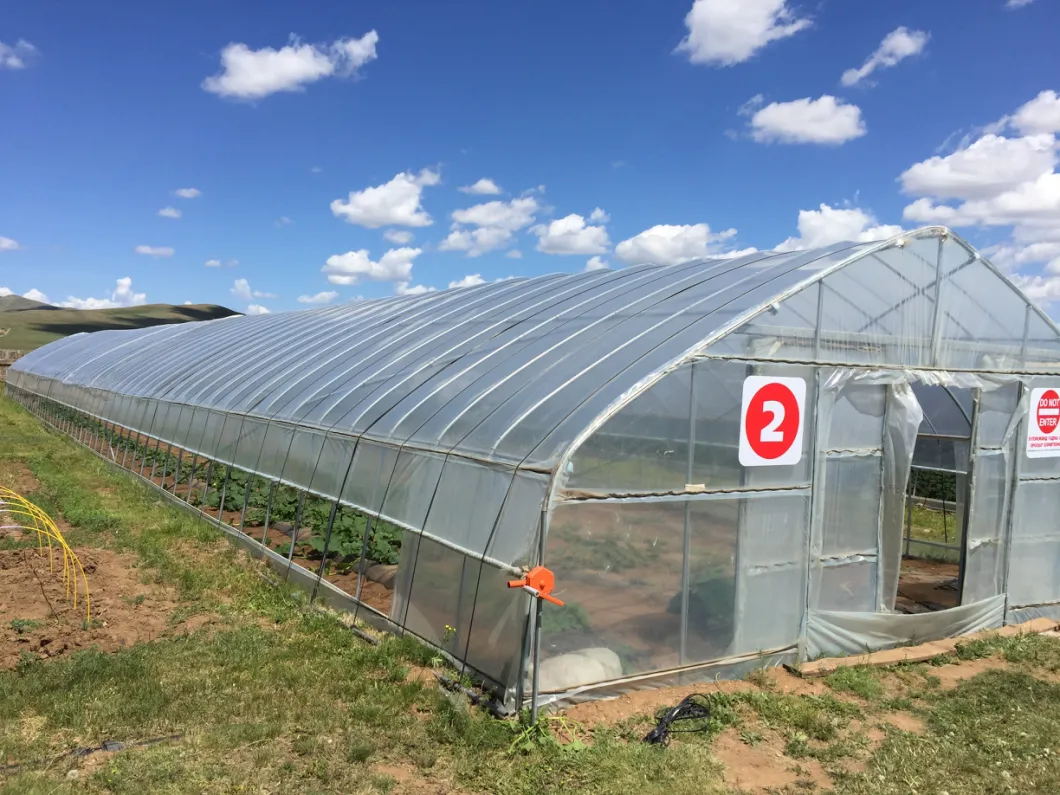
A polyethylene film tunnel greenhouse for low vegetable crops, built on a hot-dip galvanized steel frame with arch roof and grooved channel glazing. Low profile cuts film and heating cost per square meter, while a 75% shade net with 5-year warranty controls heat stress in strong sun. It suits lettuce, spinach, strawberry and nursery trays, and all joints are bolted for easy relocation. Send us your field size and crop plan, and we will confirm a layout and quote within 24 hours.

A low-crop film tunnel greenhouse is where cost per square meter matters most, because crops like lettuce, strawberry and leafy greens leave little margin for a tall house. This polyethylene film tunnel greenhouse runs on a hot-dip galvanized steel frame with an arch roof, sized low to cut heat loss and film costs while still giving crops the light they need. A 75% shade net with a 5-year warranty can be mounted on the roof to control heat stress in strong sun, and the grooved channel frame holds the film through wind and weather. If you grow low crops on open beds, this is the most direct way to extend the season without paying for a tall house.


1. Hot-dip galvanized steel frame
The arch frame is hot-dip galvanized to avoid rust at clamps and joints. On coastal sites, frames with zinc below 180 g/m2 start pitting in three to four years; this one is specified for long service life. All joints are bolted, so the house can be dismantled, moved to a new field and re-erected, which a welded frame can't do.
2. Low profile built for low crops
Because the house stays low, you spend less on film and heating per square meter, while lettuce, spinach, strawberry and seedling trays still get full light. That is the economics that matter for high-volume, low-margin crops.
3. 75% shade net with 5-year warranty
For strong-sun regions, we install a 75% shade net on the roof, supplied with a 5-year warranty. It cuts heat stress and prevents leaf burn during peak summer, which is exactly when unprotected low crops fail.
4. Grooved channel frame with aluminum clips
Film is locked into a grooved channel frame with aluminum clips, so it holds through wind gusts and re-covering is a one-person job. A grower in a storm-prone area told us this kept the cover intact through a full season of gales.
5. UV-stabilized polyethylene film
The cover is UV-stabilized PE film, which matters most in strong UV regions where ordinary film lasts only half as long. 150 microns is the practical balance between strength and light transmission for most low crops.
This tunnel greenhouse suits low-growing crops: lettuce, baby spinach, strawberries, herbs and nursery trays. It is a common choice for market gardeners who sell directly to local buyers, because it extends the season into shoulder months at low capital cost. If you are comparing it with our wider film greenhouse range or a polytunnel greenhouse for taller crops, the low-profile design here is the budget answer for open-field vegetables.


We build film greenhouses for growers in 27 countries, and the lessons show up in details. Every arch pipe end carries a stamped BZ mark, our anti-counterfeit sign, so replacement parts years later are traceable to our plant. The bolted frame means you can take it down when the lease changes, instead of leaving scrap steel behind. Our engineer team can travel to your site to supervise installation, and we ship the metal structure, covering system and install accessories as a complete package. If you also grow taller crops on the same farm, check our tunnel greenhouse range or the greenhouse for vegetable growing. Tell us your field size and crop plan, and we'll confirm a layout and quote within 24 hours.
Q: What is the lifespan of different types of greenhouses?
A: Up to 3-5 years for film, 20+ years for glass and polycarbonate greenhouses. Film covers require replacement every 3-5 years, while the galvanized steel frame lasts over 20 years. Glass and PC panels offer longer service life with minimal maintenance, making them ideal for permanent installations. Our greenhouse frames use hot-dip galvanized steel pipes with a double-sided zinc coating of 200-275 g/m², providing uniform, dense, and strongly adherent protection specifically engineered for high-humidity greenhouse environments and long-term corrosion resistance.
Q: How long does it take to install a commercial greenhouse?
A: Installation typically takes 2-4 weeks depending on project size and complexity. Standard multi-span greenhouses can be erected in 10-20 working days by our experienced technical team at Ziyang Bozong. On-site assembly time varies based on local conditions and project scale, but we provide detailed installation manuals and remote guidance to streamline the process.
Q: Can you customize greenhouse specifications for my farm?
A: Yes, we offer full customization including dimensions, span width, height, covering materials, and ventilation systems. Simply share your crop type, local climate conditions, and growing area requirements, and our engineering team at Ziyang Bozong will design a tailored solution that optimizes your growing environment and maximizes ROI.
Q: What is your warranty policy for greenhouses?
A: Our galvanized steel frame comes with a 5-year warranty against corrosion and structural defects. Film covers include a 3-5 year UV warranty depending on the grade selected, while glass and PC panels are covered by manufacturer warranties. Ziyang Bozong provides technical support and replacement parts throughout the lifespan of your greenhouse.
Q: What is the advantage of a multi-span greenhouse over multiple single-span tunnels for large-scale commercial production?
A: The primary advantage is land utilization efficiency. Multi-span greenhouses eliminate the gaps between individual tunnels—typically 1-2 meters per gap depending on drainage and access requirements—which can represent 10-15% of total land area in large single-span installations. This additional growing area translates directly to higher production capacity within the same land footprint. Beyond land savings, the continuous interior space simplifies equipment movement, reduces travel time for workers and machinery, enables more efficient irrigation system layout, and creates uniform growing conditions across the entire structure—supporting consistent crop quality and simplified management protocols.
1. What's the difference between this and a standard tunnel greenhouse?
This one is built lower for low crops, which cuts film and heating cost per square meter. If you grow taller crops, see our polytunnel greenhouse range instead.
2. Do I need the 75% shade net?
It depends on your climate. In strong sun regions, yes, it prevents leaf burn and heat stress in summer; in mild temperate zones you may not need it.
3. Is the shade net covered by warranty?
Yes, the shade net comes with a 5-year warranty when installed at the factory.
4. Can the greenhouse be moved to another field later?
Yes, all joints are bolted and numbered, so the whole house can be dismantled and re-erected on a new plot.
Mark Wu, Co-founder & Lead Engineer, Ziyang Bozong Greenhouse. 17 years designing commercial greenhouses for growers in 27 countries.
Have you used this greenhouse? Leave a review below to share your crop results and experience with other growers.