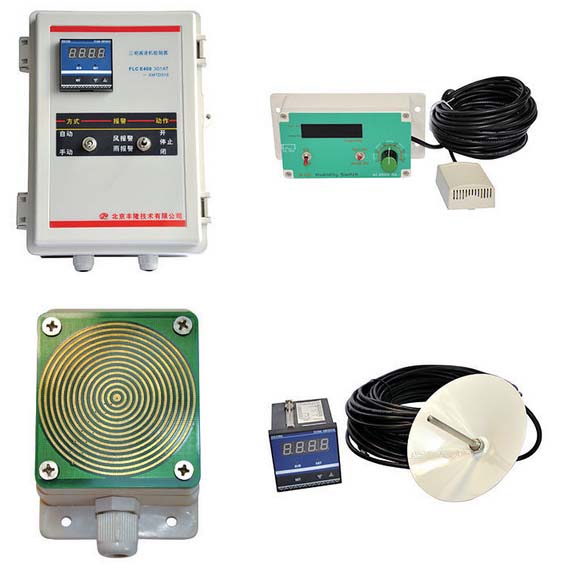
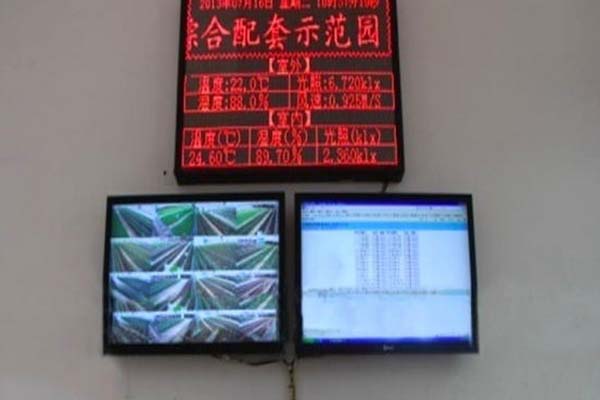
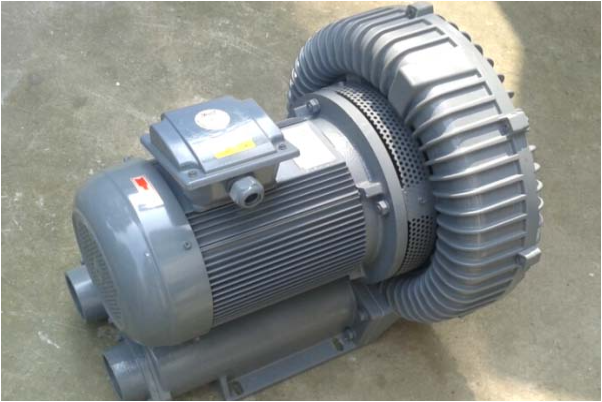
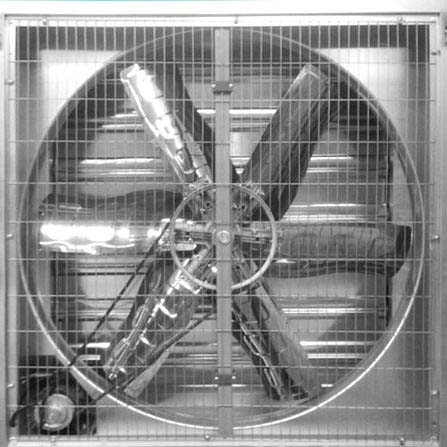

An automatic control system takes the decisions that a grower cannot be on site for every hour of the day. A weather station and a set of sensors read the conditions outside and inside the house, the readings are fed to the master control and its microcomputer, and the house responds: windows open, film rolls up or down, cooling starts, heating stops. The parameters are yours to set, so the house holds the climate the crop needs rather than the climate the weather happens to deliver. Because the same controller can supervise several houses and log what it did, it also turns the daily routine into a record that is worth reading after a difficult night.
Every greenhouse has a climate that somebody has to manage. Opened too late, a house cooks in the morning sun; closed too early in the evening, it stays humid through the night and the crop pays for it the following day. An automatic control system replaces that judgement call with a measured one, made on the same readings every time.
A weather station and sensors collect the environmental factors that matter to the house, such as temperature and light intensity, and feed them back to the computer continuously rather than on the grower round. Because the readings are recorded, the house keeps a history of what the climate actually did. That history is what makes the next season easier to plan, and it is often the first thing a buyer looks at when they are deciding whether to automate the second house.
The controller acts on the equipment already in the house: window opening, film roll-up, cooling and heating. Each device is given its own set point and its own priority, so the house does not fight itself - venting does not open while cooling is running, and roll-up film is not asked to close against a load it was not built for. Once the parameters are set, the routine runs without an operator standing in the aisle. Mechanical climate equipment such as vent systems, an evaporative cooling system or circulation fans is normally selected at the same time, so the control layer and the hardware are matched.
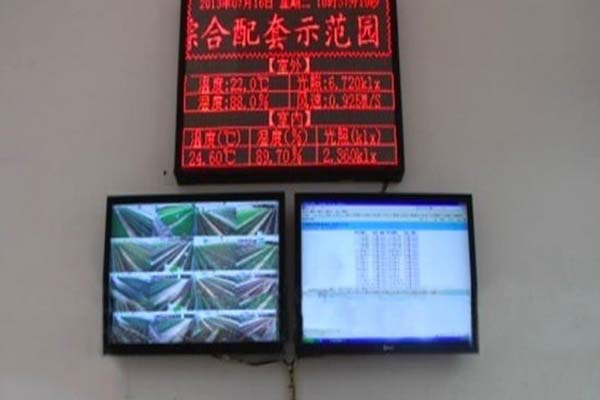
The package is made up of the master control, the microcomputer that runs the logic, the weather station and the individual sensors, plus the cabling and antennae that link them. Sensors are positioned so they read the crop environment rather than the climate ten metres above it, and the outdoor station is sited clear of the wall so wind and light readings are not distorted by the structure. Controllers are built for a house that is wet and warm for most of the year, and are supplied ready to connect to the actuator side.
Commissioning is mostly about agreeing the parameters with the grower: what temperature opens the first vent, what light level starts shading, how long cooling runs before the house is allowed to vent. Once those are settled the system is checked device by device and left in automatic. Upkeep is modest: keep sensor heads clean and shaded, check that calibration has not drifted between seasons, and confirm the outdoor station is still level and clear. Anything that vents or rolls film should be inspected on the same round - a greenhouse vent system that sticks under load is usually the first symptom that a mechanical part, not the controller, is the problem.
Automatic control is specified in commercial vegetable, flower and seedling houses, in research and trial units where readings have to be repeatable, and in multi-house sites where one operator has to keep an eye on several structures at once. Standards for greenhouse structures and equipment are published by NGMA, and developments in controlled-environment growing are covered by VerticalFarmDaily.
It runs the climate equipment in the house: window opening, film roll-up, cooling and heating, each with its own set point and priority so the systems do not work against each other. Parameters are set by the grower and the routine then runs without an operator in the aisle.
Yes. The controller is matched to the actuators already in the house, and the sensors and weather station are installed on site. That makes retrofitting an older house practical, and it is often the most economical way to raise the performance of a structure that is otherwise sound.
The hot-dip galvanized steel frame is designed for a 15-20 year service life in normal agricultural environments, with a double-sided zinc coating of 200-275 g/m². Film covers are replaced every 3-5 years, while glass and PC panels carry their own manufacturer warranties.
The hot-dip galvanized steel frame carries a 10-year structural warranty covering structural safety, plus a 5-year warranty against corrosion perforation. It is designed for a 15-20 year service life, and film covers carry a 3-5 year UV warranty depending on grade.
Send the number and size of the houses, the equipment you want the controller to run, and the climate you are trying to hold through the season. With that we can specify the sensors and the control points, and return a quotation with a wiring layout and a bill of materials.